Digital Transformation in African Agriculture: From Tractor to Data
A practical path for farms and agribusinesses: mechanise first, then record, connect and decide with data — with tools that work on a phone.
NIKHI GROUP · 17 November 2026
"Digital agriculture" can sound like drones and satellites. For most farms in Africa, the useful first steps are simpler — and they start with the machines.
Step 1: Mechanise the bottlenecks
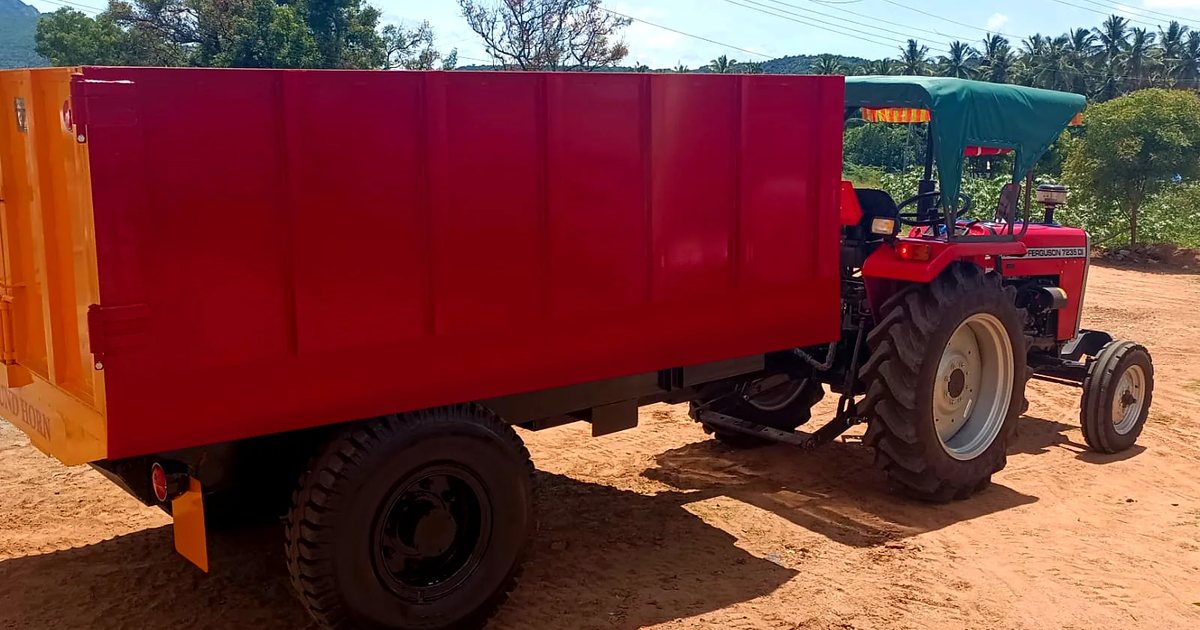
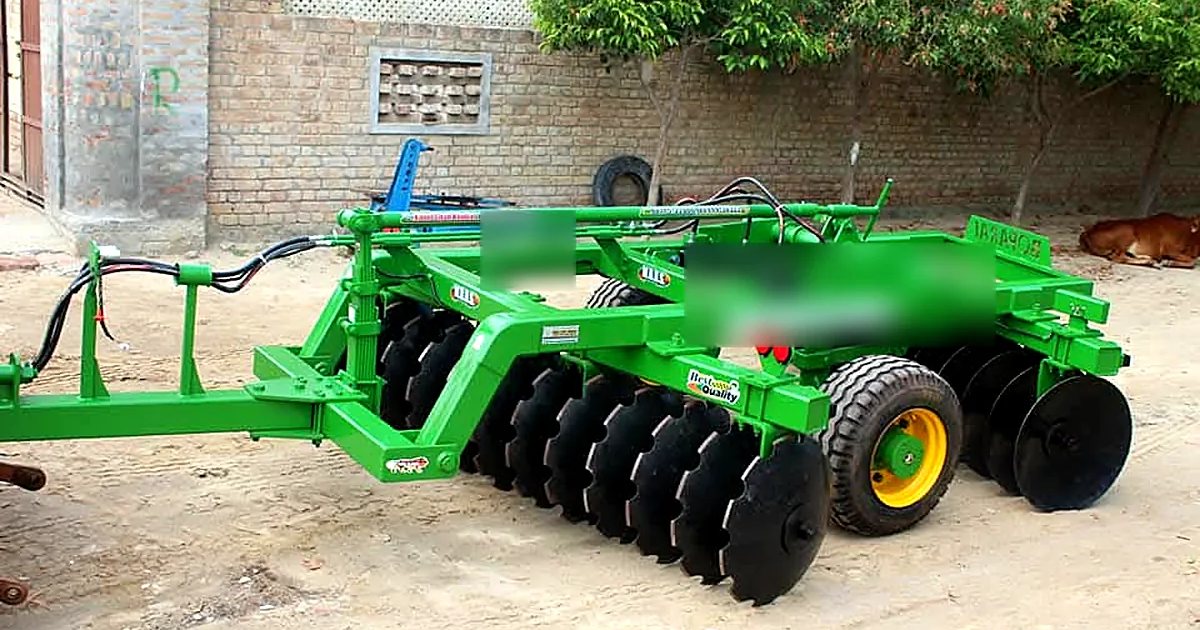
The season window for land preparation and planting is short. The right tillage implements and a reliable tipping trailer let one team prepare, plant and harvest far more hectares on time. Data only helps once the work can actually be done.
Step 2: Record what happens, field by field
Replace notebooks with a phone: hectares worked, fuel used, seed and fertiliser applied, rainfall, yields. A shared spreadsheet or a simple farm app is enough to start. After two or three seasons, you can see which fields, crops and practices pay.
Step 3: Connect the machines
- GPS trackers on tractors and trailers show where machines are and how far they travel.
- Engine-hour monitoring tells you when service is due, so breakdowns do not happen in the middle of planting.
- Fuel monitoring shows consumption per hectare and spots losses.
For contractors and cooperatives that share machines, this is often the fastest return on a digital investment.
Step 4: Decide with data
- Soil tests guide fertiliser instead of guessing.
- Seeding rates and row spacing can be compared field by field.
- Planned maintenance replaces emergency repairs.
- Your own records show what the next machine should be.
Digital buying, too
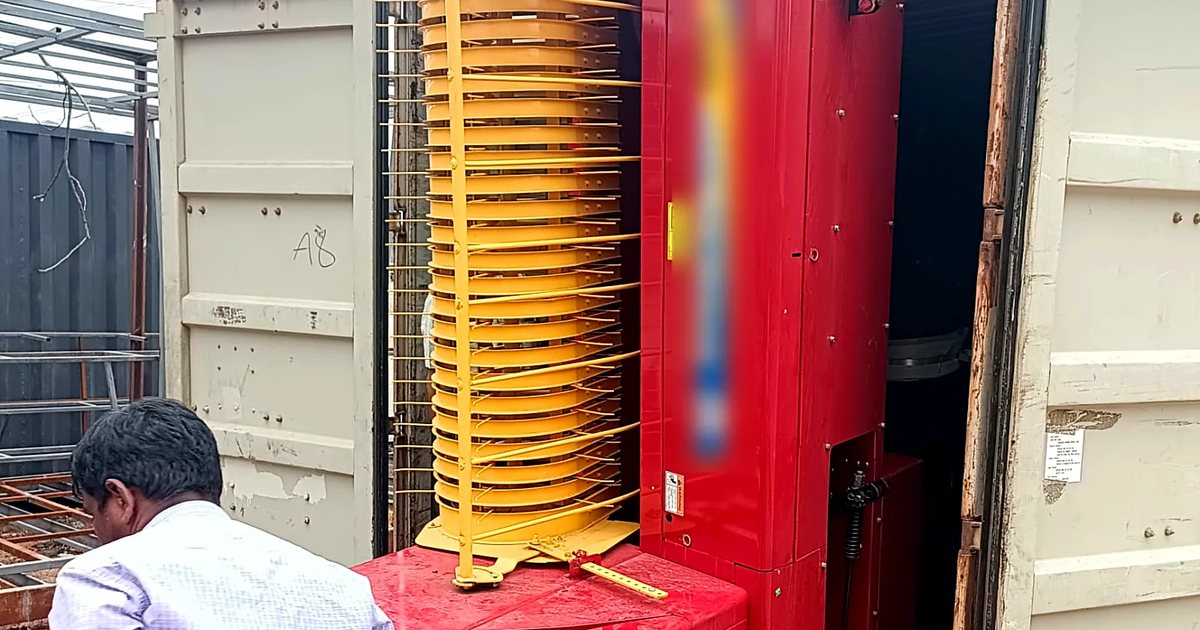
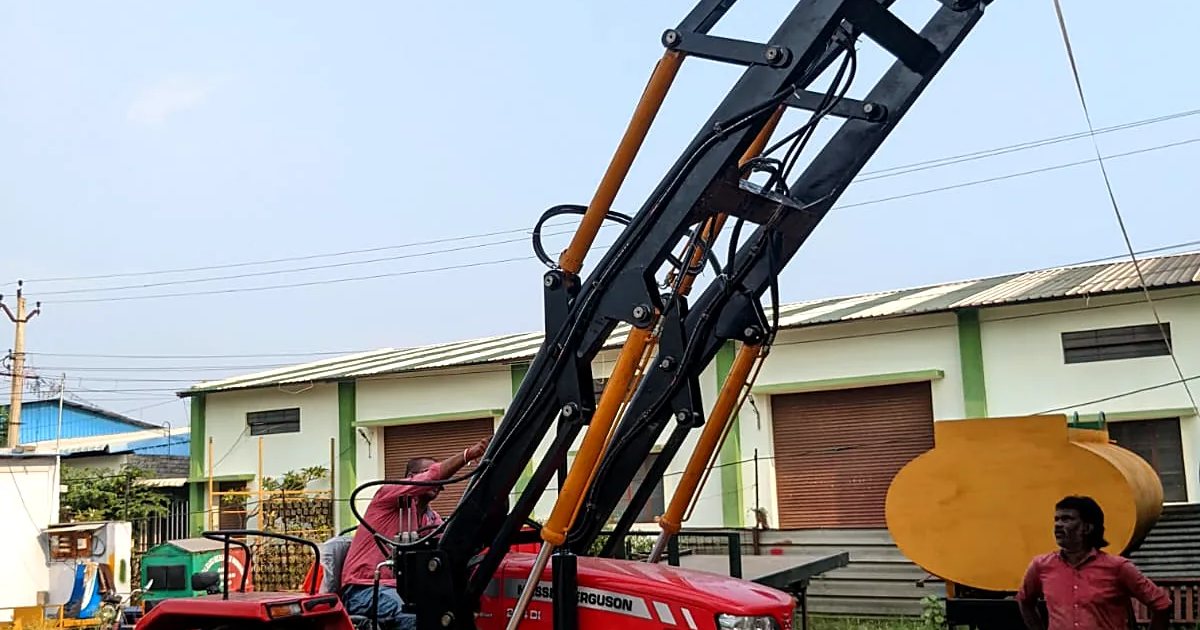
Digitisation also changes how equipment is bought. NIKHI GROUP runs the whole supply of farm machinery from India digitally: remote matching to your tractor, photo and video updates during production, video inspection before shipping and digital export documents. See the step-by-step process and the machines on our agricultural machinery page.