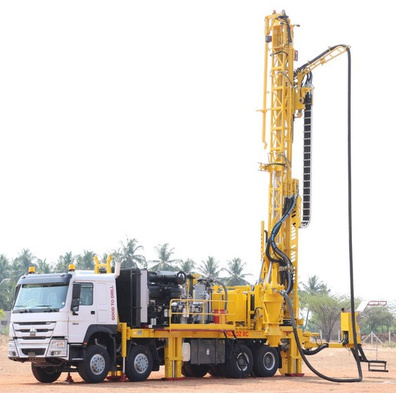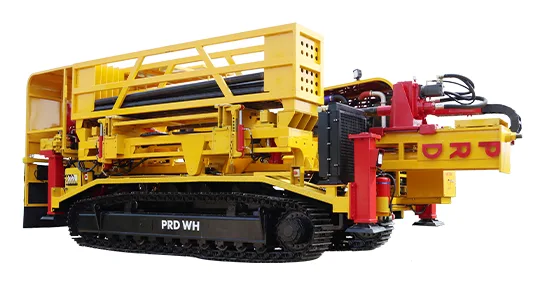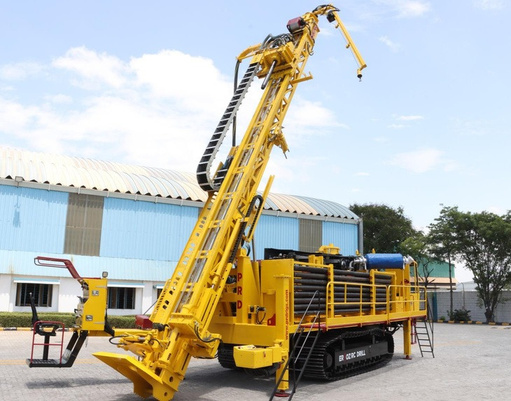
How to Choose a Blast Hole Drill Rig: Diameter, Depth and Mine Scale
Hole diameter, bench depth and the size of your operation narrow the choice quickly. A side-by-side look at the PRD blast hole range.
NIKHI GROUP · 11 November 2026
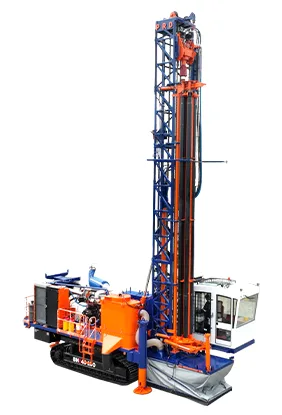
Choosing a blast hole rig starts with your blast design. Hole diameter and bench depth come first, and the scale of the operation decides the rest.
1. Start with hole diameter
Hole diameter is set by your blast pattern and explosives. Each rig covers a specific range:
- PRD BH 45 250: 150–250 mm
- PRD BH 30 160: 165–203 mm
- PRD EX 65: 115–165 mm
- PRD BH 15 100: 100–165 mm
- PRD HC 500 M: 89–125 mm
- PRD HC 500 D: 38–45 mm
2. Check depth and single-pass depth
Total depth tells you whether the rig can reach your bench. Single-pass depth tells you how often the crew has to add rods, which affects cycle time.
- PRD BH 45 250: 45 m drilling depth, 9.1 m single pass
- PRD BH 30 160: 37 m drilling depth, 9.1 m single pass
- PRD EX 65: 24 m drilling depth, 6 m / 10 m single pass
- PRD BH 15 100: 16 m drilling depth, 4 m single pass
3. Match the rig to the scale of the mine
- Large open-cast mines: PRD BH 45 250, on a 45-ton crawler with up to 9,000 Nm of torque.
- Medium-scale mines: PRD BH 30 160, on a 30-ton crawler with a 430 hp deck engine.
- Small-scale mines: PRD BH 15 100, a compact 18-ton crawler rig.
- Sites that already run excavators: the PRD EX 65 is a drill attachment for 20-ton and larger excavators, powered by the excavator's own engine and hydraulics.
4. Consider operator comfort and safety
On the larger BH rigs, features such as an HVAC cabin, a falling object protective system (FOPS), auto fire detection and suppression, and a rod catcher matter on long shifts.
Need help choosing?
Send us your blast pattern (diameter, depth, spacing) and rock type and we'll recommend the right rig from our rental fleet.
Rental quote
Request a rig rental quote
Tell us about your project and we'll reply with availability, the right configuration and pricing.