Pit Dewatering: Horizontal Drains or Dewatering Wells?
Two ways to control groundwater in an open pit. What each does best, why many mines use both, and where horizontal drains fit.
NIKHI GROUP · 11 November 2026
Water is one of the main threats to an open pit: it floods working benches, slows production and, behind the pit walls, raises pore pressure that weakens slopes. Mines use two main drilling-based tools to deal with it.
Dewatering wells
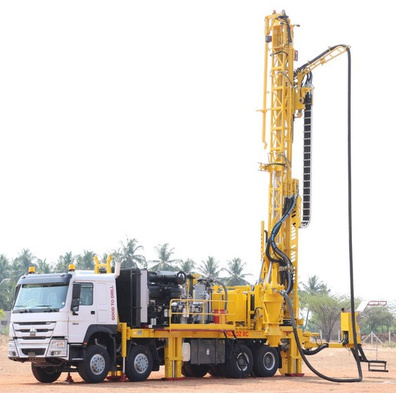
Vertical wells around or inside the pit, fitted with pumps, lower the water table over a wide area. They are the main tool for reducing the overall volume of water reaching the pit.
Horizontal drains (weep holes)
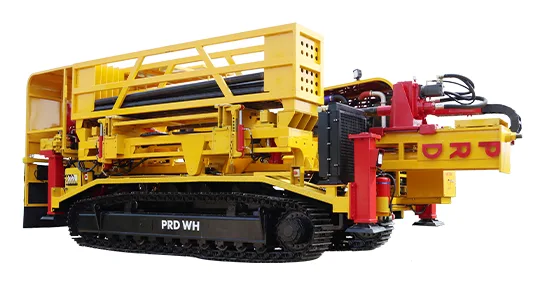
Horizontal or slightly upward-inclined holes drilled into the pit wall let water trapped behind the face drain out by gravity. Their job is targeted: relieving pore pressure in specific slopes to improve stability. See how weep holes work.
Why many mines use both
Wells lower the regional water level; drains deal with water that remains trapped in the slope, especially in less permeable rock or behind faults. Hydrogeologists and geotechnical engineers usually design the two together.
Where we fit
NIKHI GROUP offers the PRD Weep Hole rig on request for horizontal drains: up to 250 m, 127–203 mm DTH holes, 12,680 kgf pull-up, with hands-free rod handling. We don't drill dewatering wells.
Planning a drain programme
Share the pit location, wall height, planned drain lengths, spacing and orientation from your geotechnical design, and we'll confirm the rig and set-up. See the horizontal dewatering page or request a quote below.
Rental quote
Request a rig rental quote
Tell us about your project and we'll reply with availability, the right configuration and pricing.