← Insights
RC Grade Control Drilling: Why Producing Mines Use It
Grade control decides what goes to the mill and what goes to the waste dump. Why reverse-circulation drilling is a common choice for it.
NIKHI GROUP · 11 November 2026
In a producing mine, the difference between ore and waste is money. Grade control drilling samples the ground just ahead of mining so that geologists can draw accurate ore boundaries before the blast.
Why RC for grade control
- Speed: RC drilling is fast, which matters when many closely spaced holes are needed ahead of the mining schedule.
- Sample quality: cuttings travel up the inside of dual-wall rods to a cyclone, keeping contamination from the hole wall low.
- Cost: RC is generally more economical per metre than diamond core, which suits high-volume programmes.
What to look for in the rig
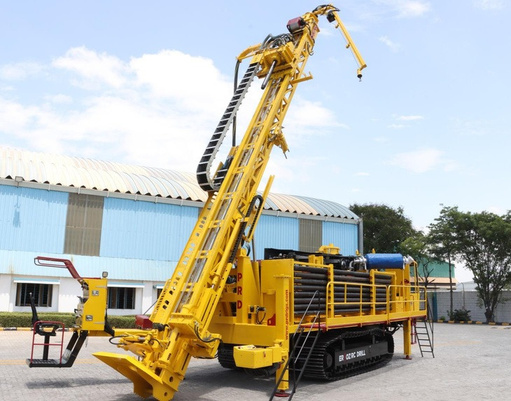
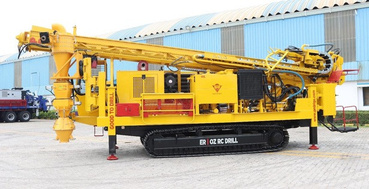
- A reliable sampling system: the PRD OZ RC uses a cyclone with a static cone splitter.
- Productive rod handling: radio-remote rod handling and a 192 m rod rack reduce time between holes.
- Angle capability: grade control often uses inclined holes; the PRD OZ RC drills from 45° to 90°.
- Mobility: on a busy mine, a rig that moves and sets up quickly between holes keeps the programme on schedule.
Rent for the programme
Grade control programmes follow the mining plan, so renting an RC rig for the length of the programme can be simpler than owning one. Tell us your hole pattern and schedule below.
Rental quote
Request a rig rental quote
Tell us about your project and we'll reply with availability, the right configuration and pricing.