Drill Rig Safety: A Checklist for Mining Sites
Rotating equipment, high-pressure air and hydraulics, heavy rods: the safety features and site practices to check before a rig starts drilling.
NIKHI GROUP · 11 November 2026
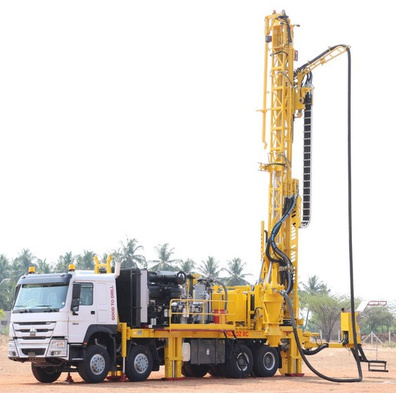
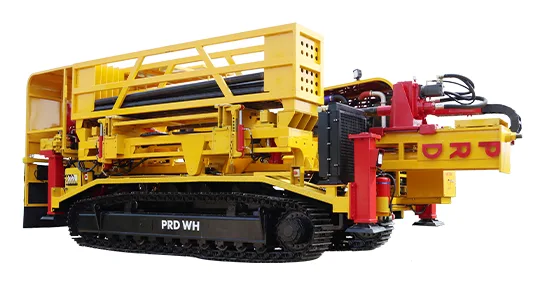
A drill rig combines rotating equipment, high-pressure air and hydraulics, heavy rods and fuel. Good rig design and good site practice work together to keep the crew safe.
On the rig: features to look for
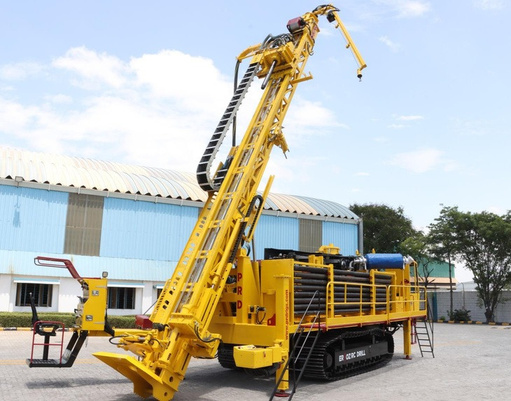
Using our PRD OZ RC as an example, these are the safety features worth checking on any rig:
- Fire suppression system and fire extinguisher
- Hose-burst whiplash protection on high-pressure lines
- Emergency switch and battery isolator; emergency crawler brake
- Guards for rotating equipment
- Wrap-around walkway and handrails
- High-visibility light beacon and night lights
- Wireless remote tramming and rod handling, so the operator can stand clear
- A control panel with gauges, emergency switch and safety lock
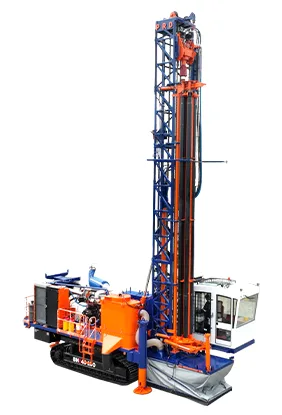
On larger blast hole rigs, also look for an operator cabin with falling object protection (FOPS) and automatic fire detection and suppression.
On site: practices to agree
- Exclusion zones around the rig while drilling and tramming.
- Pre-start inspections of hoses, guards and emergency stops every shift.
- Safe rod handling procedures, especially during angle drilling.
- Firm, level pads; rigs set up on their levelling jacks.
- Emergency contacts, first aid and the route to the nearest medical facility.
- Fuel storage and refuelling procedures away from ignition sources.
Documentation
Make sure the operation, maintenance and spare-parts manuals are on site with the rig.
Planning a programme? See the mobilisation checklist, then request a quote below.
Rental quote
Request a rig rental quote
Tell us about your project and we'll reply with availability, the right configuration and pricing.