DTH (Down-the-Hole) Hammer Drilling Explained
Why putting the hammer at the bottom of the hole makes DTH so effective in hard rock, and which rigs use it for blast holes, quarries and dewatering.
NIKHI GROUP · 11 November 2026
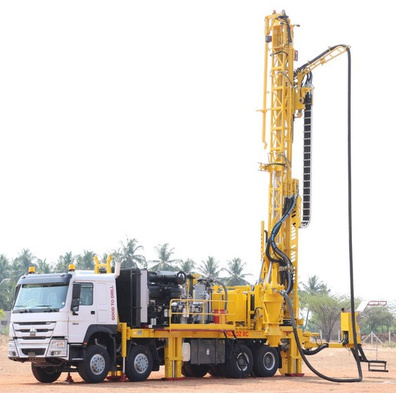
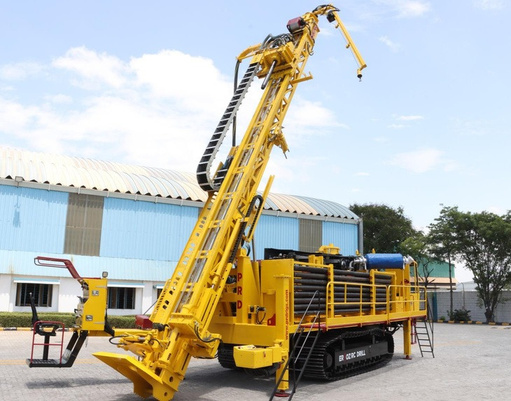
Down-the-hole (DTH) drilling is one of the most widely used methods for blast holes and hard-rock drilling. The idea is simple: put the hammer where the work is done.
How it works
Compressed air travels down the drill string to a pneumatic hammer sitting directly behind the bit, at the bottom of the hole. The hammer strikes the bit while the rig rotates the string, and the exhaust air flushes the cuttings up the outside of the rods to surface.
Why it works well in hard rock
- Impact energy is delivered directly to the bit, so it isn't lost along the drill string as the hole gets deeper.
- Holes tend to stay straight, which helps blast patterns.
- It suits a wide range of hole diameters.
What it depends on
DTH performance depends heavily on the air supply: pressure and flow must match the hammer. See our article on compressors for RC and DTH drilling.
DTH rigs we offer (on request)
- PRD BH 45 250: 150–250 mm, 45 m, DTH / rotary
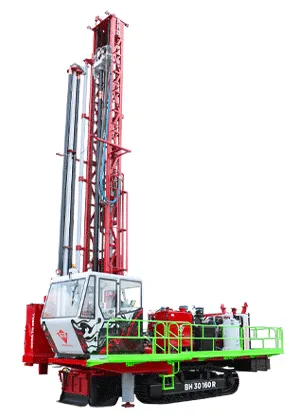
- PRD BH 30 160: 165–203 mm, 37 m, DTH / rotary
- PRD BH 15 100: 100–165 mm, 16 m, DTH / rotary
- PRD EX 65: 115–165 mm, 24 m, excavator-mounted
- PRD HC 500 M: 89–125 mm, 15 m, quarries
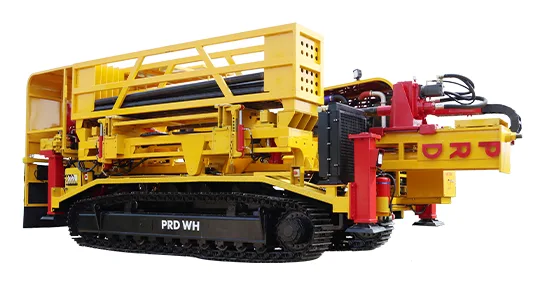
- PRD Weep Hole: 127–203 mm, up to 250 m horizontal
Compare them on the blast hole drilling page, or request a quote below.
Rental quote
Request a rig rental quote
Tell us about your project and we'll reply with availability, the right configuration and pricing.