Planning an RC Drilling Programme for Gold Exploration in West Africa
From targets to sample bags: the decisions that make an RC gold exploration programme efficient, and what to agree with your rig provider before day one.
NIKHI GROUP · 11 November 2026
RC drilling is a mainstay of gold exploration across West Africa. A well-planned programme gets more useful metres for the same budget.
1. Define what the programme must answer
Is it testing new targets, extending a known zone, or infill drilling to firm up a resource? The answer drives hole spacing, depth and orientation.
2. Set hole design
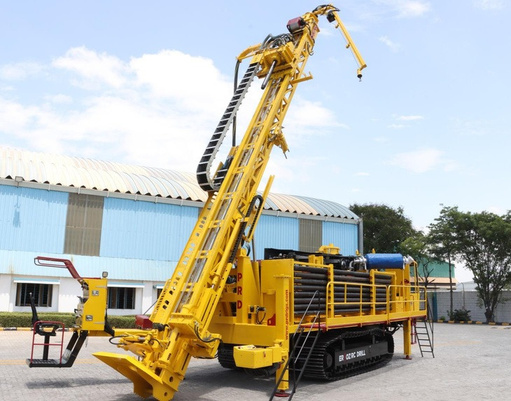
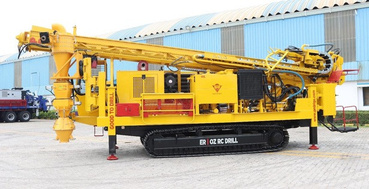
- Depth: within the rig's capacity; the PRD OZ RC has a 450 m RC capacity.
- Orientation: inclined holes cross steep structures more effectively; the PRD OZ RC drills from 45° to 90°.
- Diameter: 140 mm on the PRD OZ RC.
3. Plan sampling and QA/QC
- Sample interval (often per metre) and splitting: the PRD OZ RC uses a cyclone with a static cone splitter.
- Quality control samples inserted into the sample stream, as your QA/QC protocol requires.
- Bagging, labelling, storage and transport to the laboratory.
4. Manage water
Wet samples are harder to handle and can compromise quality. Plan for groundwater: the PRD OZ RC has a triplex water/foam injection pump and is matched with a high-pressure compressor.
5. Prepare the site
Access, drill pads, fuel and water need to be ready before mobilisation; see our mobilisation checklist.
6. Agree the details with your rig provider
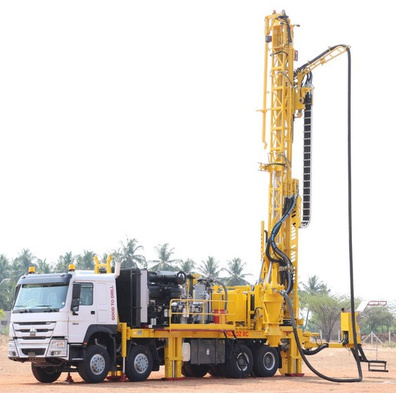
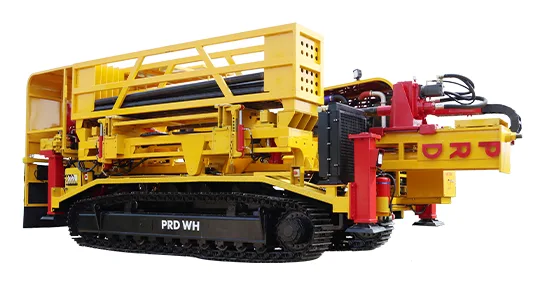
Start date, programme length, metres, mounting (crawler or truck), compressor and reporting. Our quote checklist lists what to send.
Ready to plan? Send your programme outline with the form below.
Rental quote
Request a rig rental quote
Tell us about your project and we'll reply with availability, the right configuration and pricing.