RC or Diamond Core Drilling? When Reverse Circulation Is Enough
Diamond core gives intact rock; RC gives fast, low-cost chip samples. How exploration teams combine the two, and where RC does the job on its own.
NIKHI GROUP · 11 November 2026
Exploration programmes usually choose between two main drilling methods: diamond core drilling and reverse circulation (RC). They are not rivals so much as tools for different questions.
What diamond core gives you
Diamond drilling cuts a solid cylinder of rock. Geologists can see structures, contacts and textures, and run geotechnical and metallurgical tests on intact core. That information is essential at certain stages, but core drilling is generally slower and more expensive per metre.
What RC gives you
RC returns rock chips through the inside of dual-wall rods to a cyclone. You lose the intact structure, but gain speed and a lower cost per metre, with good sample recovery and low contamination. See how RC works.
When RC is enough
- Testing anomalies and drilling first-pass targets.
- Infill drilling to tighten the spacing of a known resource.
- Grade control ahead of mining.
- Large programmes where the number of metres matters most.
When you need core
- Structural and geotechnical studies.
- Metallurgical test work and some resource classification work.
- Twinning RC holes to check sample quality.
The common approach
Many programmes drill most of their metres with RC and use diamond core selectively, where intact rock is needed. That keeps the budget on metres.
Our role
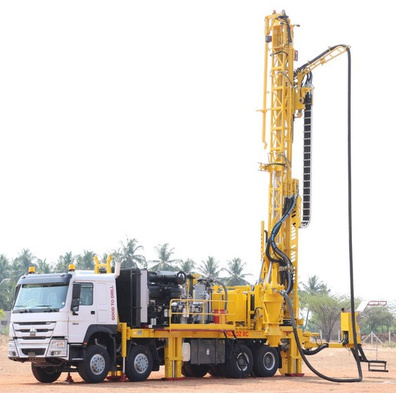
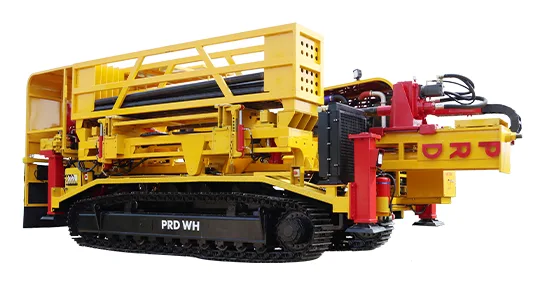
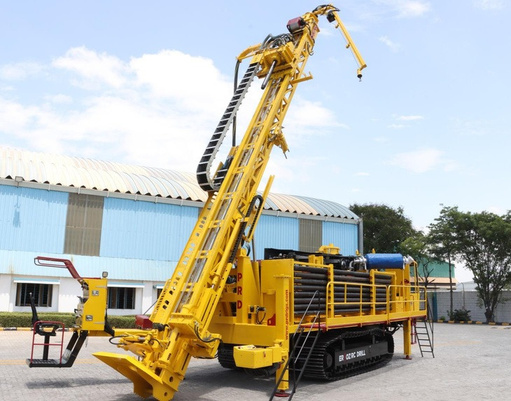
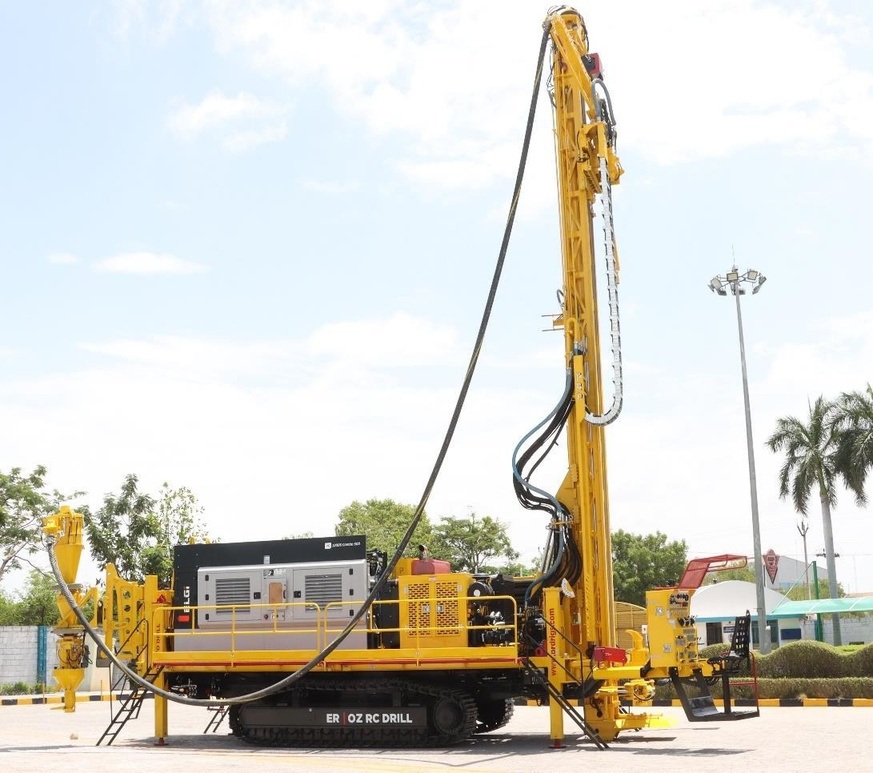
NIKHI GROUP rents RC rigs: our PRD OZ RC is available now (450 m RC capacity, 140 mm holes, 45°–90°). We don't rent diamond core rigs. For the RC part of your programme, request a quote below.
Rental quote
Request a rig rental quote
Tell us about your project and we'll reply with availability, the right configuration and pricing.