RC Drilling Cost per Metre: What Drives It and How to Cut It
Most of the cost of an RC programme is time. Practical levers on the site and in the plan that get more metres out of every shift.
NIKHI GROUP · 11 November 2026
Cost per metre is the number every exploration manager watches. Much of it comes down to how many productive hours the rig spends drilling rather than waiting, moving or handling rods.
Before the rig arrives
- Prepare pads and access in advance, so the rig moves straight from hole to hole. See the mobilisation checklist.
- Sequence holes to minimise moves between pads.
- Plan fuel and water supply so the rig never waits for them.
Choose the right configuration
- Match the rig to the depth: there's no benefit in paying for more capacity than the programme needs, or in running a rig at its limit.
- Match the compressor to hole size, depth and groundwater: an undersized air package slows everything. See compressors for RC and DTH.
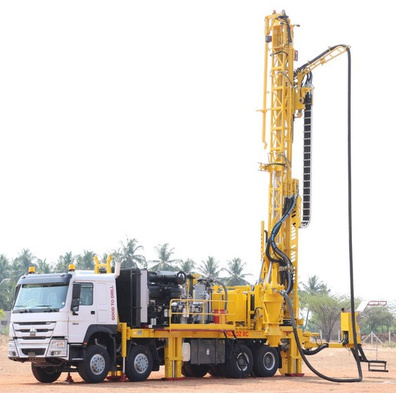
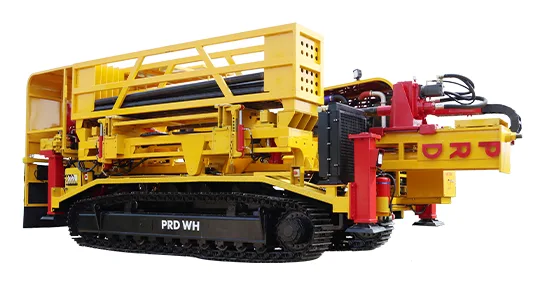
- Choose the mounting for the site: crawler or truck.
On the rig
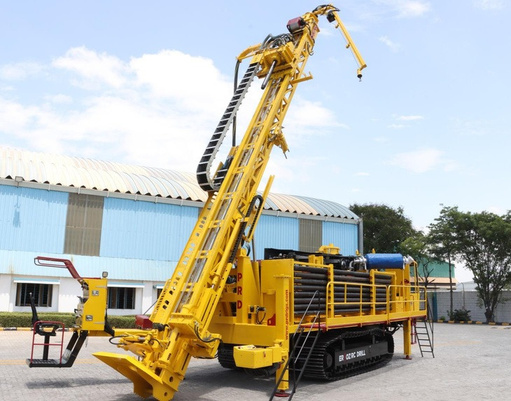
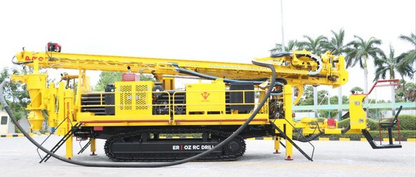
Rod handling time adds up over hundreds of holes. Features like the PRD OZ RC's radio-remote rod handling, 32 × 6 m rod rack (192 m) and hydraulic breakout system, plus 66 m/min pull-down and 29 m/min pull-up feed speeds, cut the time between drilling and tripping.
Sampling efficiency
A well-set-up cyclone and splitter keeps sampling moving at the pace of drilling, rather than holding the rig.
Keep decisions fast
Standby while waiting on hole approvals or changes is pure cost. Agree decision routines with the geology team before day one.
Want a configuration built around your programme? Send the details with the form below.
Rental quote
Request a rig rental quote
Tell us about your project and we'll reply with availability, the right configuration and pricing.